Istria and Kvarner
Where to go ?
♦
On peninsula of Istria, enjoy the natural diversities and beauties by viewing the mountains, green fields, vineyards, oil groves and blue sea. Istria, with its preserved heritage, is a special destination which will amaze you with its historic wealth and monuments from all periods. Step into the rich past of Istria by visiting the archaeological sites, numerous churches and monuments, walking through museums and art galleries!
The combination of ancient Roman, Venetian and Austro-Hungarian culture can be found in Istrian towns which give a unique experience throughout the year.
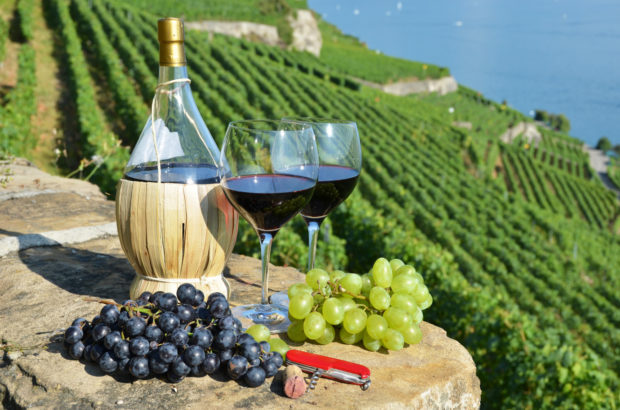
In gastronomy, Istria is always the ideal resort for fans of tradition and quality gastronomic products. The peninsula offers a variety of gastronomical events which are being held throughout the year. Discover the exquisite gastronomic offer by tasting top specialties which include white and black truffles, fish, homemade pasta, ham, cheese, seafood, asparagus, Istrian ox - boškarin... in restaurants and authentic Istrian taverns as well as by tasting renowned wines. Try out the superb olive oil of the region which will enrich your taste of dishes.
Visit Istria and discover the uniqueness of our cuisine which can be described as simply good and delicious!

At the bottom end of a large triangle that Istrian Peninsula is forming, there is a town of Pula, one of the most popular and interesting cities in the province.
A popular destination since it is the city with many attractions, like Roman ruins, in particular the superb Pula Amphitheatre. Check out the ancient Roman Forum, a pedestrian-only area that still functions as one of the central gathering places in the city.
The best-preserved portion of the forum is the Temple of Augustus (Augustov Hram) on the north side of the piazza with its many Roman sculptures.
Nearby is the archipelago of islands that make up beautiful Brijuni National Park.
The main highlights in Brijuni National Park are the remainsof a second-century Byzantine fortress, a Roman villa, the Church of St. Germana, the safari park, and an interesting exhibit on Tito
Along the northwest coast of the peninsula is the town of Poreč, with a beautiful seafront. This historic old town grew out of an original Roman layout when the town was known as Colonia Julia Parentium.
A highlight from the town's early years is the beautiful 6th-century Euphrasius Basilica, a UNESCO World Heritage Site known for its beautiful mosaics on gold backgrounds.
Highlights include a fourth-century sarcophagus holding the remains of St. Maurus, and a 13th-century ciborium with marble columns and gold mosaics above the steps leading to the altar.
Be sure to also visit the Porec Museum housed in the Baroque Sincic Palace with its displays on the history of the town and a particular focus on the Roman and early Christian eras.
Further south is the historic town of Rovinj, medieval town established by the Romans, is home to a number of excellent attractions. Coastal villages such as Rovinj, with its simple ports, fishing boats and narrow streets, reflect the spirit of the Mediterranean.
At the highest point stands the cathedral, a huge baroque monument dedicated to the town's patron saint, Euphemia, a fourth-century saint from Constantinople.
Moving inland gives way to the kind of green and fertile hues associated with the landscapes of Provence and Tuscany.
Hilltop towns like Groznjan, a tiny village full of artists and musicians, where you can find a lot of art galleries, stunning hill & valley views, leafy stone alleys, delightful cafes and bars,
or the handsome hill town of Motovun, the most picturesque hilltop town of inner Istria, situated on a hill above the Mirna River where we will enjoy breathtaking view on famous Motovun forest - habitat of the white and black.
One of the largest inland towns in Istria, Pazin's main draw is its superb medieval castle, built in the ninth century. Passing through a Učka Tunnel, a tunnel through Učka mountain, the third longest in Croatia, opened for traffic in 1981, you are arriving in region Kvarner.
Kvarner is a unique aromatherapy in the open! The mild climate of the coast and the islands as well as the fresh air of the hinterland have a beneficial effect on people's health. This diverse region will transport you from sea level up to the clouds in mere steps. Don’t miss to taste Kvarner scampi - the best in the world, and zlahtina, an extraordinary wine from Kvarner
In Kvarner you will find a lot of places to visit – like a popular tourist resort with more than 150-years old history - Opatija. Opatija's tourist tradition began in 1844 and was crowned in March 1884, by the opening of hotel Kvarner, the first on the eastern coast of the Adriatic.
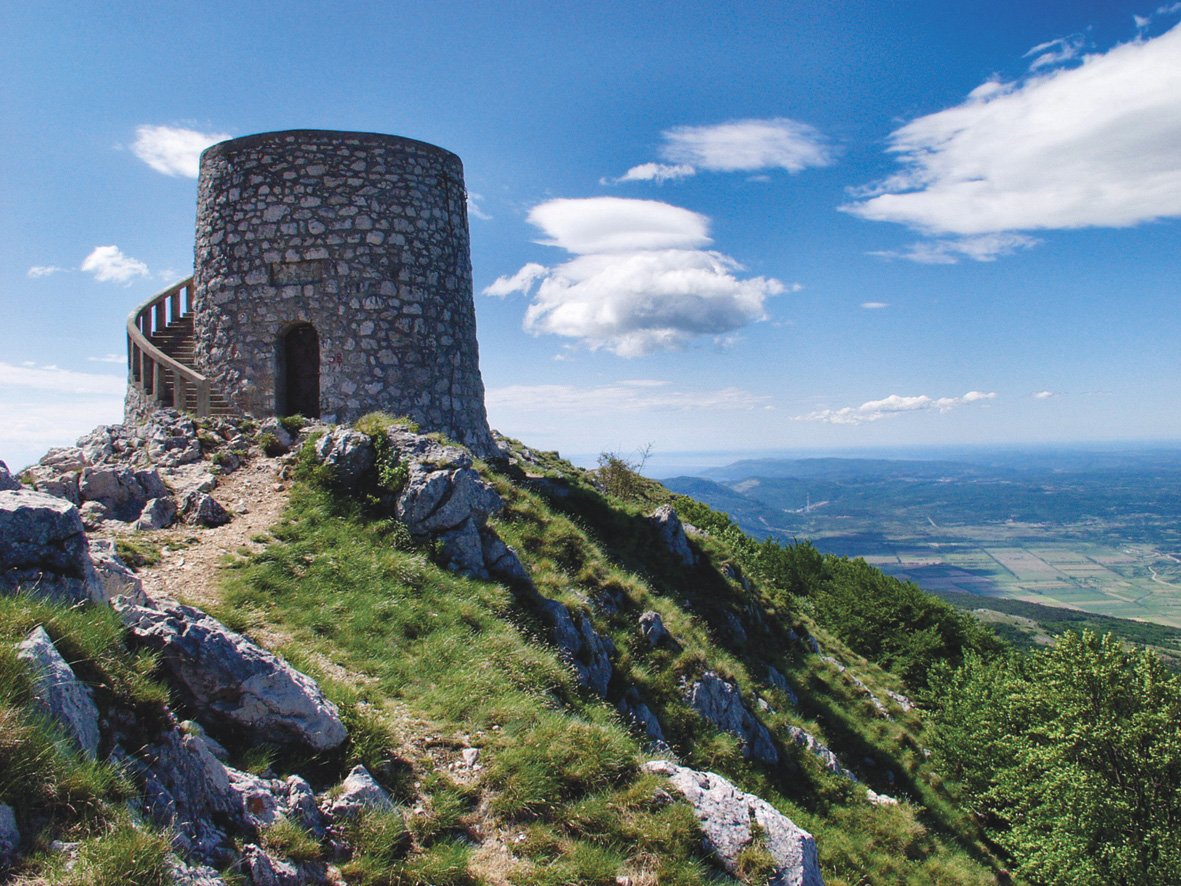
With its leafy parks and 12 kilometre long seaside promenade (lungomare), the development of which started in 1885 and was completed in 1889, when Opatija was proclaimed a climatic health resort , Together with other localities of its riviera – Volosko and Ika, Ičići and Lovran, Medveja and Mošćenička Draga Opatija’s riviera is rich in stylish villas and marvelous neoclassicist and secession hotels situated in luxuriant parks. Učka Nature Park can be easiyl reached from Opatija. The tower on highest peak Vojak is rising 1,401 metres above sea level. It was built in 1911 to benefit from the mountain’s wonderful panoramic 360° views of Istria, the Kvarner Bay with the islands and mountains.
Interesting places in Kvarner are small, pitoresque hilltop towns like: Mošćenice, a medieval hilltop town whose history dates back to the time of the Liburnians you will enjoy beautifull view on whole Kvarner bay and learn about its rich history since Mošćenice. The 300 years old town olive oil mill is an absolute symbol of this medieval town.
Nearby Opatija, there is an old town of Kastav. You can enter the town through Voltica - the town’s gate, refurbished in 1731. Visit old Kaštel from the 15th century and the Church of the Holy Trinity. At the heart of the town is Lokvina - main town square.
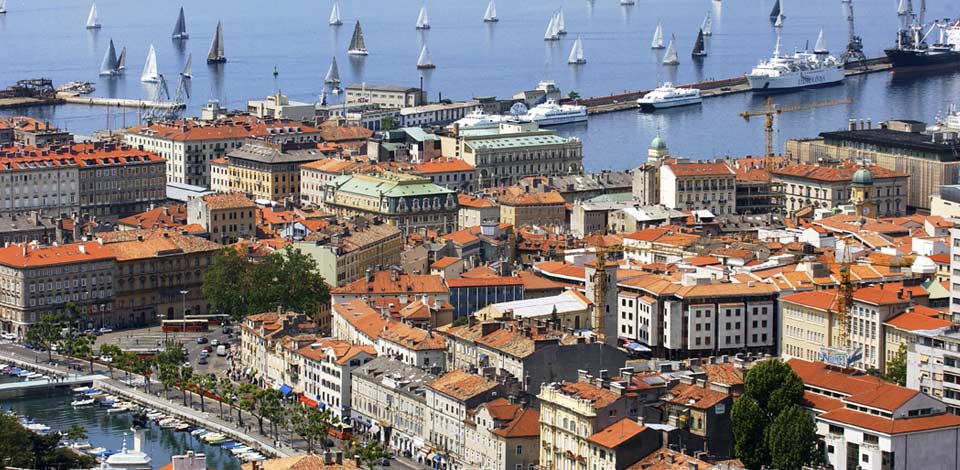
Trsat is a part of biggest Kvarner town, Rijeka, a historic fortress on the steep hill 138 m high, rising over the gorge of the Rječina river. It was strategically significant from the earliest times right up to the 17th century.
Today, on Trsat you can enjoy nice walk through old part of the town, admire beautiful view on whole Kvarner bay, drink a coffee and absorb the atmosphere but as well you can visit The Church of Our Lady, located in the center of Trsat, on a 135 meter high hill.
Due to this church, Trsat has been the site of 700 years of exceptional religious events and gatherings. Passing through porches and chapels, descending over 500 steps, passing by the canyon of the Rjecina River, we find ourselves right in the center of Rijeka. Rich in history and tradition, located where the mountains meet the sea, Rijeka and the ring are more than just a historic attraction
Rijeka has numerous restaurants and bars, night clubs and various art and other types of events taking place here will suit every type of traveler. In the Rijeka’s old town you will find buildings and monuments from Rijeka’s history that lasts for hundreds of years.
Krk, Rab, Cres, Lošinj and the islands of its archipelago – each Kvarner’s island is a world unto itself, disclosing a special story about past and present times, tradition as well as modern tourist programes and facilities.
On the island of Krk, there is an old medieval town of Krk with its churches, tower, Fankopan’s Castle. You can take a boat trip to the small island of Košljun to visit the monastery and church of this ancient Romans settlement
Visit the town of Vrbnik, built on the cliff above the sea and taste high quality white wine of Vrbnik named Vrbnička Žlahtina
Baška is known as the cradle of Croatian literacy since the Baška tablet was found in the small church of St. Lucy. In Baška, you should also visit the beautiful 2 kilometre-long beach, swim in crystal clear sea.
Traditional wine Zlathina, olive oil and homemade cheese are there to explore real domestic taste of the island. On the Island of Rab, there is a town of Rab, an ancient Roman municipality in the 1st century BC, has rich history with many historical figures.
Palaces, churches, cathedral, city lodge… many things to see and visit in town of Rab, as well as beautiful sandy beach and enjoy in swimming in crystal clear see water, local cuisine or walking. Don’t miss to try famous Rab cake, first served in 1177. with almonds and Maraschino liqueur as main ingredients.
The landscape of the island of Cres, biggest Croatian Island is a perfect setting for cultural heritage in the town of Cres: city walls, old stone gate, Duke’s Palace, Loggia, arsenal, numerous patrician palaces.
Lošinj, called as the island of vitality where you breathe with your full lungs, where waves of Istria, Kvarner and Dalmatia intertwine, and where the last North Adriatic school of dolphins swim happily – that’s where the Lošinj Archipelago is located.
Worth to mention a small island of Susak, a part of Lošinj’s Archipelago, unique in its sandy composition. This is a magical place that will seduce you with all its attributes - scents, tastes, sounds and preserved natural beauties. Besides that, on the island of Susak, the women hold the title for having the only national costume that sits above the knee in Europe.
Kvarner is the starting point of Croatian culture. The oldest written document of the Croatian language originated here on island of Kvarner – the Baška stone tablet ( Baščanska ploča), from 1100
The oldest Croatian legal document from the 13th century - Vinodolski zakonik, written in Glagoliticn , has been created in Kvarner’s town of Novi Vinodolski. Visit Kvarner during the carnival time, since the bell-ringers from the Kvarner area have been included in the UNESCO World Intangible Cultural Heritage List.
And The International Rijeka Carnival, held in Rijeka since the year 1982 - has been included in the most attractive world events.
Just 15 kilometeres from the sea, 300 – 1500 m above sea level and spread out over 6,400 ha, in part called Gorski kotar, lies National Park Risnjak.
Its unique topography and rich animal and plant life have earned it the status of an area of great natural value. In the western part of the Risnjak mountain range, at 313 metres above sea level, lay the headwaters of the Kupa river, It is considered one of the deepest in Croatia.
Nearby is a source of the River Kupa, one of the most spacious and deepest water springs in Croatia. At 313 metres above sea level, the water has formed a smaller turquoise-green-blue lake which is 200 metres long and on average 30 metres wide.
Cradled between the continental Croatia and its coastal regions, Gorski kotar, besides Risnjak National Park, offers more nature beauties: lakes, two forest parks, protected canyon of the Kamačnik river, not far from the town of Vrbovsko, Lokvarka Cave, one of the most beautiful natural attractions and one of the biggest caves in Croatia and Vrelo Cave,
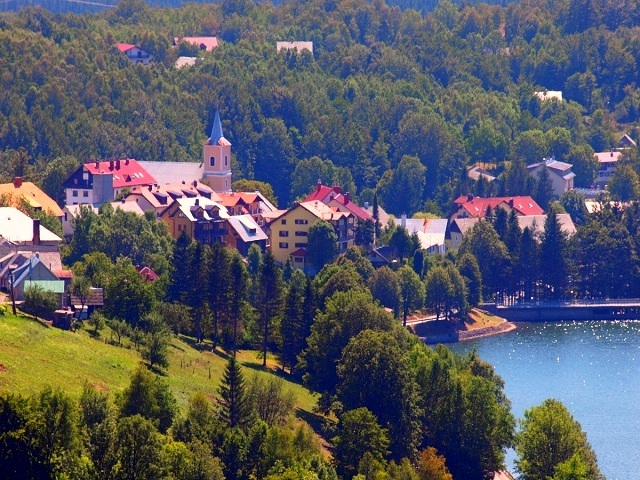
very attractive to visit this 4 milion years old and 300 meters long cave, illuminated and with fully paved path inside, located nearby beautiful small town of Fužine.
Main attraction in Fužine is a Lake Bajer where an attractive footpath was built around the lake, and there is also the opportunity to go sightseeing in a tourist boat.
The Kamačnik Canyon, a protected landscape, is a water course of great beauty in the length of 3200 m where a walking trail will guide you along the crystal clear river through the rich vegetation of protected plant species with various animal life.
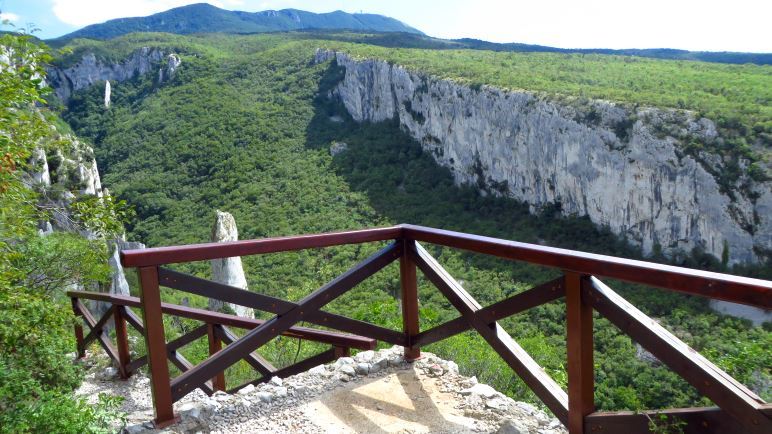
The bridges within the Kamačnik Canyon are a special attraction. Another two natural beauties, both a natural reserves, can be found in Gorski kotar: Vražji prolaz (The Devil’s Passage), one of the most beautiful Croatian canyons (800-metre-long canyon), full of wild romance where you can walk through a narrow, wide canyon between a hundred meter high cliffs.
Second one is Zeleni vir (Green source), a powerful spring at the bottom of a shallow, spacious cave. It got its name after the emerald green color of the water of a small lake. Above the entrance, a picturesque waterfall crashes down the vertical 70-metre-high cliffs, creating a glittering water curtain.
The area of Zeleni vir was declared a nature reserve in 1962.
Being so close to the sea and yet far from the hustle and bustle, this part of the region offers peace and quiet throughout the year. During the summer months the air is pleasantly fresh and in the winter the area transforms into a snowy idyll that exists only on the postcards.



.jpg)




.JPG)